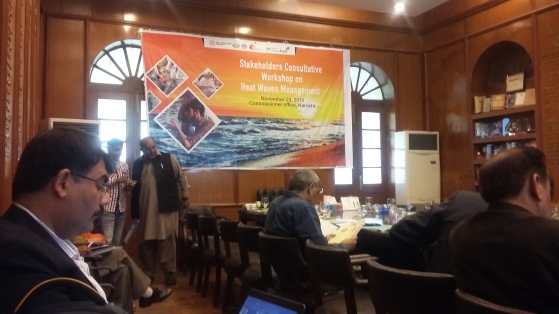
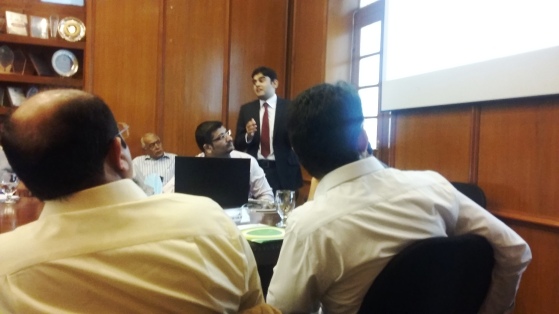
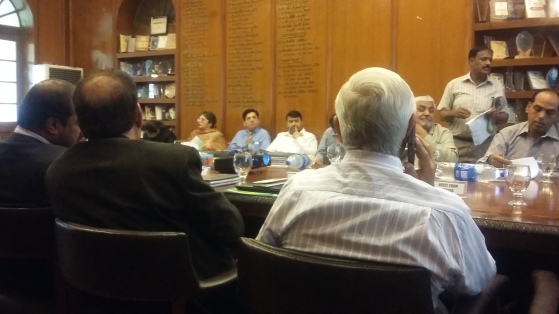
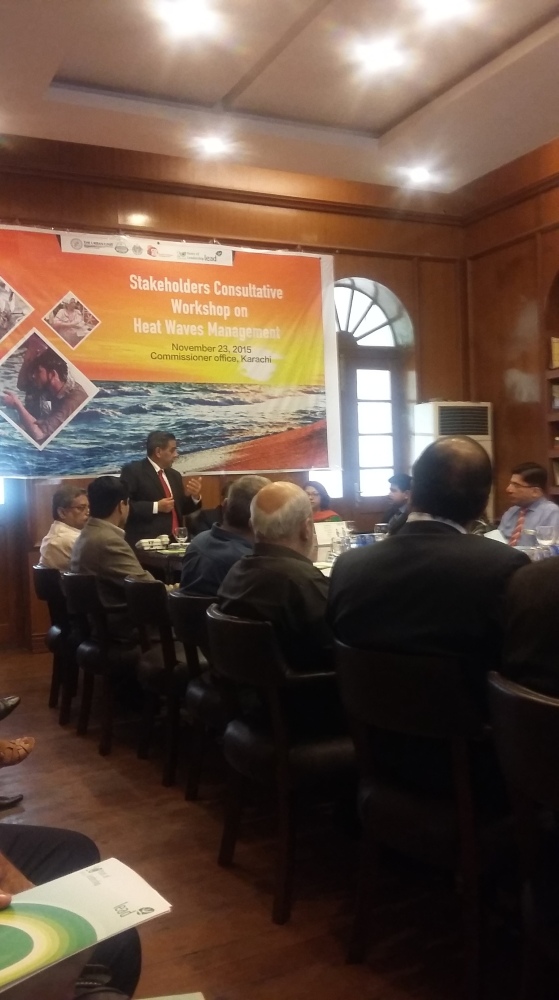
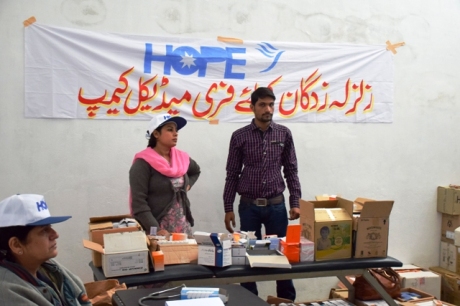
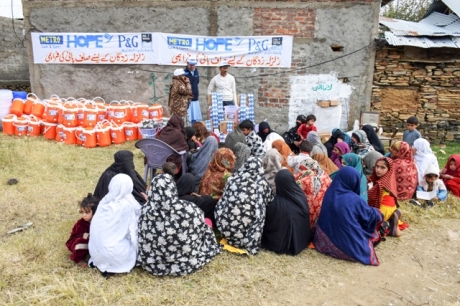
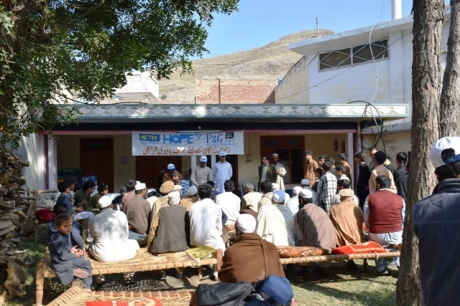
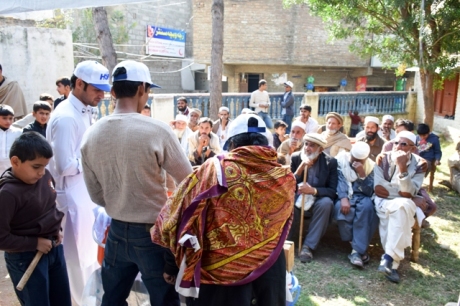
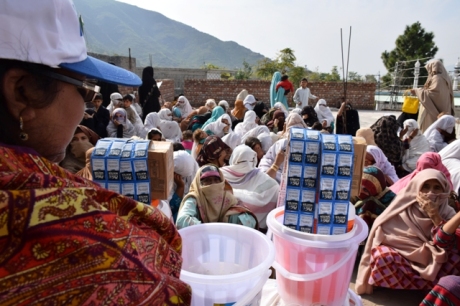
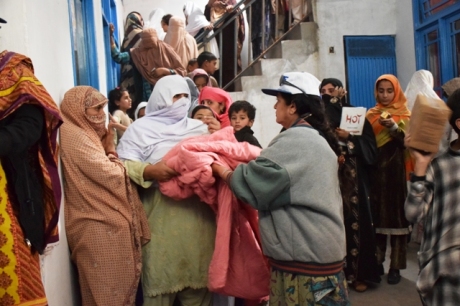
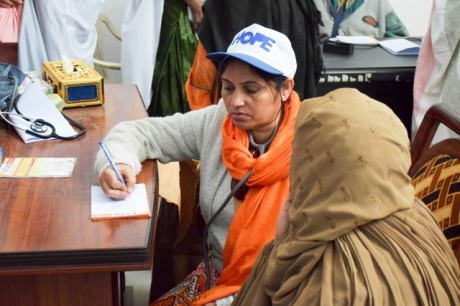
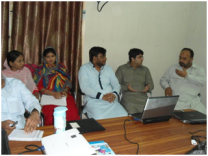
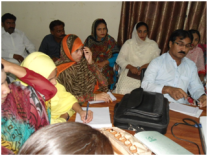
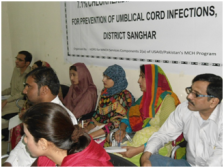
HOPE, an educational and health NGO in Pakistan , organized a one day orientation on Routine Immunization at HOPE/Mchip Office, District Sanghar. The activity began with recitation of the verses of Holy Quran .After which Dr.Muzaffer Samoo Acting District Coordinator MCHIP, began with welcome remarks and talked about the Genesis of this Routine Immunization Orientation.
One Day Orientation on Routine Immunization
At HOPE/MCHIP Office, District Sanghar
| Date &Time | 20- 11- 201510:30 AM |
| Venue | HOPE Office, A-10, Gate No-1, Main Nawabshah Road, adjacentThe Smart School. Sanghar, SINDH |
| Subject | One day Orientation on Routine Immunization at HOPE/MCHIP Office, District Sanghar |
| Managed by | Mr. Irfan& Mr. SohailArain |
| Organized By | Health Oriented Preventive Education (HOPE) |
| Facilitated By | Mr. LalaAftab (Immunization Officer JSI/MCHIP) |
| Reported By | Dr. S. M. Ashfaque Ahmad(District Coordinator)
HOPE, MCHIP Project , Sanghar
|


Dr. MuzafferHussainSamoo Acting District Coordinator MCHIP briefed following points/Agenda for this orientation.
- Introduction of Participants.
- Welcome Note
- Objective of the Routine Immunization
- Define supportive supervision and discuss its role in improving immunization services.
- Outline major steps essential to supportive supervision.
- Practice tools that can be used for supportive supervision
Introduction
MNCH Services Component 2 of USAID/Pakistan’s Maternal and Child Health (MCH) Program implemented by MCHIP/Jhpiego in USAID target districts in Sindh is contributing to achieve improvement in maternal and newborn health through improved quality of MNCH service delivery. One of the objectives of program is to promote routine immunization and enhance immunization coverage and quality among target population through adopting modified “Reach Every Union Strategy”, strengthen linkages between Expanded Program on Immunization (EPI), Lady Health Worker (LHW) Program, stake holders like Peoples Primary Healthcare Initiative (PPHI) and partners (WHO, UNICEF etc) and enhance coverage through registering the target population in selected districts. In current year MCHIP is planning to improve quality and coverage of immunization of target population (Children 0-23 months, pregnant women and Child Bearing age women) in all USAID focus districts mainly through registering and vaccination in target population.
This orientation/training of routine immunization in districtSangharMCHIP/Jhpiego monitoring teams with immunization protocols, guidelines, vaccination schedule, cold chain and assessment of immunization services provided at health facilities. The manual will enable the team to conduct a purposeful supervision of the vaccinators and EPI services provided at health facilities.
Participant List
| S # | Name Participant | Designation | Organization | Contact # |
| 1 | Muhammad Hassan | Senior Supervisor | MCHIP/HOPE | 0333-2912663 |
| 2 | Ameet Kumar | Senior Supervisor | MCHIP/HOPE | 0333-2915865 |
| 3 | Muhammad Iqbal | Senior Supervisor | MCHIP/HOPE | 0300-3231640 |
| 4 | FarzanaAbidAwan | Senior Supervisor | MCHIP/HOPE | 0334-5160518 |
| 5 | Maria Robin | Assistant Supervisor | MCHIP/HOPE | 0313-3033727 |
| 6 | RamzanBibi | Community Mobilizer | MCHIP/HOPE | 0302-2445808 |
| 7 | Muhammad Sharif | Assistant Supervisor | MCHIP/HOPE | 0334-3826549 |
| 8 | TahiraNaz | Assistant Supervisor | MCHIP/HOPE | 0310-3969561 |
| 9 | SaminaParveen | Community Mobilizer | MCHIP/HOPE | 0332-3093408 |
| 10 | Nurgis | Community Mobilizer | MCHIP/HOPE | 0304-2709626 |
| 11 | Fatima | Community Mobilizer | MCHIP/HOPE | 0335-3145917 |
| 12 | Atti-ul-zaman | Community Mobilizer | MCHIP/HOPE | 0331-3320030 |
| 13 | RiazHussain | Community Mobilizer | MCHIP/HOPE | 0332-2890990 |
| 14 | Syed Bachal Shah | Community Mobilizer | MCHIP/HOPE | 0300-2271200 |
| 15 | Samra Abbas | Community Mobilizer | MCHIP/HOPE | 0335-2694695 |
| 16 | BakhtawarBaloch | Clinical officer | MCHIP/HOPE | 0310-3012085 |
| 17 | Quratulain | Clinical officer | MCHIP/HOPE | 0312-8294973 |
| 18 | BakhtawarNisar | Clinical officer | MCHIP/HOPE | 0313-3998358 |
| 19 | Hafeezullah | Community Mobilizer | MCHIP/HOPE | 0300-2517104 |
| 20 | Maria bibi | Clinical officer | MCHIP/Jhpiego | 0340-0960143 |
| 21 | DrTosheeba | Senior Clinical Supervisor | MCHIP/Jhpiego | 0333-7017144 |
| 22 | Muhammad Khan | Dist: Cord: Com. Mob | MCHIP | 0333-7067188 |
| 23 | Dr .ZubairuddinQureshi | SR.Program Cord: NCH | MCHIP | 0331-4216070 |
| 24 | DrLalaAftab | Immunization Officer | JSI/MCHIP | 0332-2664804 |
| 25 | DrMuzafarHussainSamoo | D.I.O DC MCHIP | MCHIP | 0300-3026575 |
| 26 | AsifLaghari | MIS Assistant | MCHIP Jhpiego | 0300-3313873 |
| 27 | Dr. S.M Ashfaque Ahmed | District Coordinator | MCHIP/HOPE | 0300-2509713 |
| 28 | SohailMehmoodArain | Admin & Logistic Officer | MCHIP/HOPE | 0333-2922195 |
Overview of Immunization
Mr. LalaAftab Immunization Officer briefed that Immunization is a very successful and cost effective public health intervention to protect human from infectious disease. Over the time it has been learned that immunity is best achieved by introducing vaccine at certain age against particular disease for life long duration. Vaccination stimulates body’s own immune (defence) mechanism against vaccine preventable disease, annually millions of children and women are saved through vaccination.
This Program aims to reduce infant mortality and morbidity by immunizing children against poliomyelitis, tuberculosis, diphtheria, pertussis, tetanus, measles, hepatitis B, pneumonia, meningitis, and haemophilus influenza type B. It also vaccinates pregnant women to protect them from tetanus toxoid and their fetuses from neonatal tetanus.
Government of Pakistan provides free of cost vaccination against vaccine preventable diseases through static EPI centers, vaccination outreach sessions, mobile vaccination units and vaccination campaigns.
Vaccine preventable diseases and vaccination schedule
Inactivated vaccine contains inactivated, but previously virulent, micro-organisms that have been destroyed with chemicals, heat, radiation, or antibiotics for examples Cholera, influenza etc. Vaccines contain live, attenuated vaccine is cultivated under conditions that disable their virulent properties, to produce a broad immune response are for example measles, rubella and mumps. Toxoid vaccine is made from inactivated toxic compounds, for example tetanus and diphtheria.
New Immunization Schedule for Children (0-23 months) in Pakistan
| Age | Vaccination | New Schedule |
| At birth | BCG + Polio | BCG + Polio Zero dose |
| 6weeks | DPT 1 + HBV 1 + Polio 1 | Pentavalent 1 + PCV-10-1+ Polio 1 |
| 10 Weeks | DPT 2 + HBV 2 + Polio 2 | Pentavalent 2 + PCV-10-2 +Polio 2 |
| 14 Weeks | DPT 3 + HBV 3 + Polio 3 | Pentavalent 3+ PCV-10-3 + Polio 3+ IPV* |
| 9 months | Measles | Measles 1 |
| 12-15 months | Measles | Measles 2 |
| *Note: IPV will be administered at 14 weeks with third dose or before the age of 12 months to all the children. | ||
Vaccination of child starts at the birth and completes at first birthday. However; additional doses of vaccination against Polio lasts at five years of age.
Immunization Schedule for Pregnant and Child Bearing Age Women
Mr. LalaAftab briefed that Pregnant mothers and child bearing age women are at risk of being exposed to tetanus an infection caused by Clostridium Tetani during the process of delivery. The purpose of immunization is to protect women of child bearing age and pregnant women from tetanus and to protect their newborns against neonatal tetanus.
In case of neonatal tetanus is identified, administer one dose of TT vaccine as soon as possible to mother and treat baby as per guidelines.
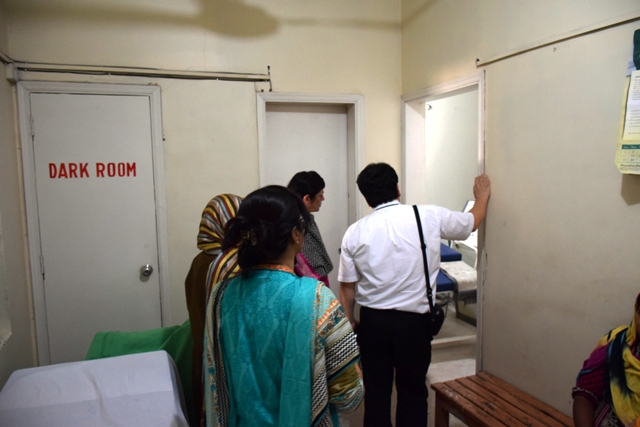
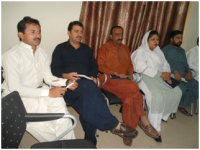
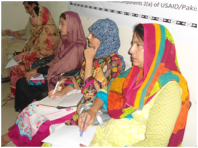
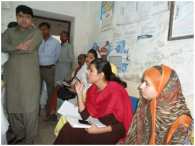
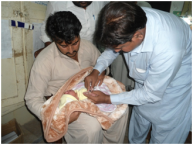
Then facilitatorMr. LalaAftabimmunization officer JSI/MCHIPvisited Civil Hospital Sangharalongwith our 04 Supervisors, 03 Clinical Officers& Sr. Clinical Supervisors. Mr. LalaAftabhave assigned different tasks to the participants for check list and have also trained them regarding the process of this immunization handling and storage.
Supplementary Immunization Activities (SIAs)
Supplementary Immunization Activities (SIAs) are additional immunization campaigns conducted to interrupt the transmission of disease; mostly these refer to intersect the circulation of wild polio virus. SIAs include National Immunization Days (NIDs) and Sub-National Immunization Days (SNIDs) target Polio in general. NIDs are conducted in line with the global immunization policies and recommendation of international Polio Technical Advisory Group (TAG) by government of Pakistan to target high risk, poor performing districts with low routine immunization coverage. In case of disease or case outbreak, crash immunization campaigns are also launched in high risk areas against single disease for example Measles vaccination during Measles outbreak.
Vaccine Handling and Storage
The Facilitator also briefed that Vaccines are costly items, therefore it is important to save each vaccine dose from wastage; each person who receives vaccine must ensure the following:
- Packs are intact (no damaged or leaked packs)
- Vaccine is potent (valid thermochromics indication)
- Expiry date not less than three months (at facility Level)
Cold Chain Maintenance
He also briefed that vaccines are sensitive biological products which may become less effective, or even destroyed, when exposed to temperatures outside the recommended range. Vaccines exposed to temperatures above or below the recommended temperature range experience some loss of potency with each episode of exposure. Repetitive exposure to heat episodes results in a cumulative loss of potency that is not reversible.
“Cold chain” refers to the process used to maintain optimal conditions during the transport, storage, and handling of vaccines, starting at the manufacturer and ending with the administration of the vaccine to the client. The optimum temperature for refrigerated vaccines is between 2 to 8 degree Celsius. In addition, protection from exposure to light or direct sun light is a necessary condition for vaccines.
Temperature Monitoring Chart
Temperature monitoring chart is available at almost all EPI Centers and is maintained by vaccinator. Vaccinators are required to record the inside temperature of refrigerator atleast twice each day and record it in the chart. All supervisors must check the temperature monitoring record and compare the latest reading on chart with the thermometer.
Common EPI Terminologies
| Catchment area | Geographic area covered by the Health Facility |
| Cold Box | Cold box are insulated containers that can be lined with coolant packs to keep vaccines and diluents cold during transportation, these are also used to store vaccines temporarily when the refrigerator is out of order or being defrosted. |
| Vaccine Carrier | Vaccine carriers are insulated containers that, when lined with coolant packs, keep vaccines and diluents cold during transportation. They are smaller than cold boxes and are easier to carry during outreach activities. |
| Cold Chain | Includes all of the materials, equipment and procedures used to maintain vaccines at required temperature (range of +2 °C to +8 °C) until the vaccines are administered to individuals |
| Date of Expiry | Date till which the vaccine can be used safely |
| Defaulter | Children received vaccination once or more, but failed to complete the immunization schedule |
| Missed Children | Children missed by vaccinator during outreach visit |
| Refusal | Parents/guardian refused to vaccinate their child |
| Dropouts | Difference between numbers of children vaccinated and did not able to catch in subsequent visits. (Dropout calculation – Exercise) |
| Ice packs | Ice Packs are used to maintain the temperature inside vaccine carrier to desired limits. Ice packs must be freeze, the freezing status can be checked by shaking the pack near ear, in freezed pack there will be no sound. |
| Micro plan | Written information of district/Union Council, population, target population (no of children and pregnant women residing in area), no of villages, population of each village, visit schedule of vaccinators. |
| Outreach tour Plan | Visit plan of vaccinator for all villages |
| Adverse Events following Immunization (AEFI): | An adverse event is any unwanted medical reaction in a patient who has been administered a medicine or vaccine. An adverse event is any unfavorable and unintended symptom, disease or sign (for example, an abnormal laboratory finding), associated with the use of the medicine or vaccine. The medicine or vaccine does not necessarily have to have caused the adverse event. Fever, pain or swelling at the site of injection, anaphylaxis (very rare) are few examples of AEFI. |
| Static Centre | EPI Centre established within health facility. |
| Vaccine Vial Monitor (VVM) | A vaccine vial monitor (VVM) is a thermochromic label containing heat sensitive material which is placed on a vaccine vial to register cumulative heat exposure over time.
The combined effects of time and temperature cause the inner square of the VVM to darken, gradually and irreversibly. A direct relationship exists between the rate of color change and temperature.
|
| Ice Lined Refrigerator (ILR) | IRLs are specific refrigeration equipment designed to maintain a cabinet temperature between +2 to + 8 Degree Centigrade and are used to store vaccines. ILRs are so designed with an ice bank (Icepack lining) which keeps the internal temperature at a safe level despite electricity failure. |
| Temperature Chart | Charts displayed at the vaccine refrigerators with hourly recording of temperature. The temperature written at chart and the dial thermometer must be matched at the time of supervision. |
| Dial Thermometer | A thermometer is an instrument for monitoring the temperature of cold chain equipment like refrigerator, cold box or vaccine carrier. It enables to adjust the temperature to the correct range for the storage and transport of vaccines. |
| Tally Sheet | Tally sheets are forms on which health workers make a mark every time they administer a vaccination. These are used as a basis for reporting to the district level. Supervisors use them to monitor the accuracy of reporting from health facilities to districts. |
As always particular attention was given by Dr Mubina Agboatwalla, Chairperson of HOPE and child specialist in Karachi, who closely monitored the preparation and execution of this activity. Dr Mubina Agboatwalla, Chairperson of HOPE and child specialist in Karachi ensured that all participants benefitted from it and became capable enough to replicate it with the working skilled birth attendants and other lady health workers.